
Eco Friendly Materials for Shoes: A Guide to Greener Footwear
What Are Eco Friendly Materials for Shoes?
Eco friendly materials for shoes include a wide range of natural, recycled, and bio-based components designed to reduce environmental harm across a shoe’s entire lifecycle. Here’s a quick overview of the most common ones:
| Material Type | Examples |
|---|---|
| Natural fibers | Organic cotton, hemp, linen, cork |
| Plant-based alternatives | Bamboo leather, apple peel leather, pineapple leaf fiber (Piñatex), mycelium leather |
| Recycled materials | Recycled PET plastic, post-consumer cotton, recycled polyurethane, recycled rubber |
| Bio-based innovations | Sugarcane EVA foam, algae foam, plant starch, Tencel Lyocell |
| Responsible animal materials | Vegetable-tanned leather, LWG-certified leather, natural rubber |
The footwear industry has a larger environmental footprint than most people realize. Materials alone account for more than 70% of any product’s total environmental impact. And traditional choices come with serious costs — producing a single pair of leather shoes requires an estimated 8,000 liters of water.
Meanwhile, 91% of plastic goes unrecycled globally. Much of it ends up in landfill — or in your shoes.
The good news? Material science is moving fast. From mushroom-based leather to algae foam insoles, brands and innovators are rethinking every part of the shoe — from sole to seam. For equestrians who already care deeply about the natural world, understanding what goes into your footwear is a natural next step toward a more conscious stable life.
This guide breaks down the key eco friendly materials used in shoes today, so you can make smarter, greener choices — whether you’re buying riding boots or everyday wear.
Why Choose Eco Friendly Materials for Shoes?

As we step into April 2026, the urgency of climate action has never been clearer. Choosing eco friendly materials for shoes isn’t just a trend; it’s a necessary pivot for the planet. When we look at the carbon footprint of our footwear, the numbers are staggering.
As mentioned, materials make up more than 70% of a product’s footprint. By switching to sustainable alternatives, we can drastically reduce greenhouse gas emissions. For instance, recycled polyurethane can save up to 130 times more carbon dioxide emissions than its production generates.
Water conservation is another critical factor. Traditional leather is incredibly thirsty; 8,000 liters of water are needed to produce a single pair. Even “natural” virgin cotton is a heavy drinker, requiring over 700 gallons (2,700 liters) just for one t-shirt’s worth of fabric. Sustainable materials like hemp or recycled cotton use significantly less, preserving our precious water resources.
Furthermore, we are facing a waste crisis. With 91% of plastic going unrecycled, our oceans and landfills are choking. Sustainable footwear addresses this by utilizing pre-consumer and post-consumer waste, turning trash into high-performance gear. By moving away from virgin petrochemicals, we reduce fossil fuel dependency and embrace biodegradability and non-toxic components, ensuring that when our shoes finally wear out, they don’t leave a toxic legacy for centuries.
Natural and Plant-Based Footwear Components
Nature has provided us with high-performance building blocks for centuries. In the quest for greener footwear, we are seeing a return to these roots, often enhanced by modern technology.
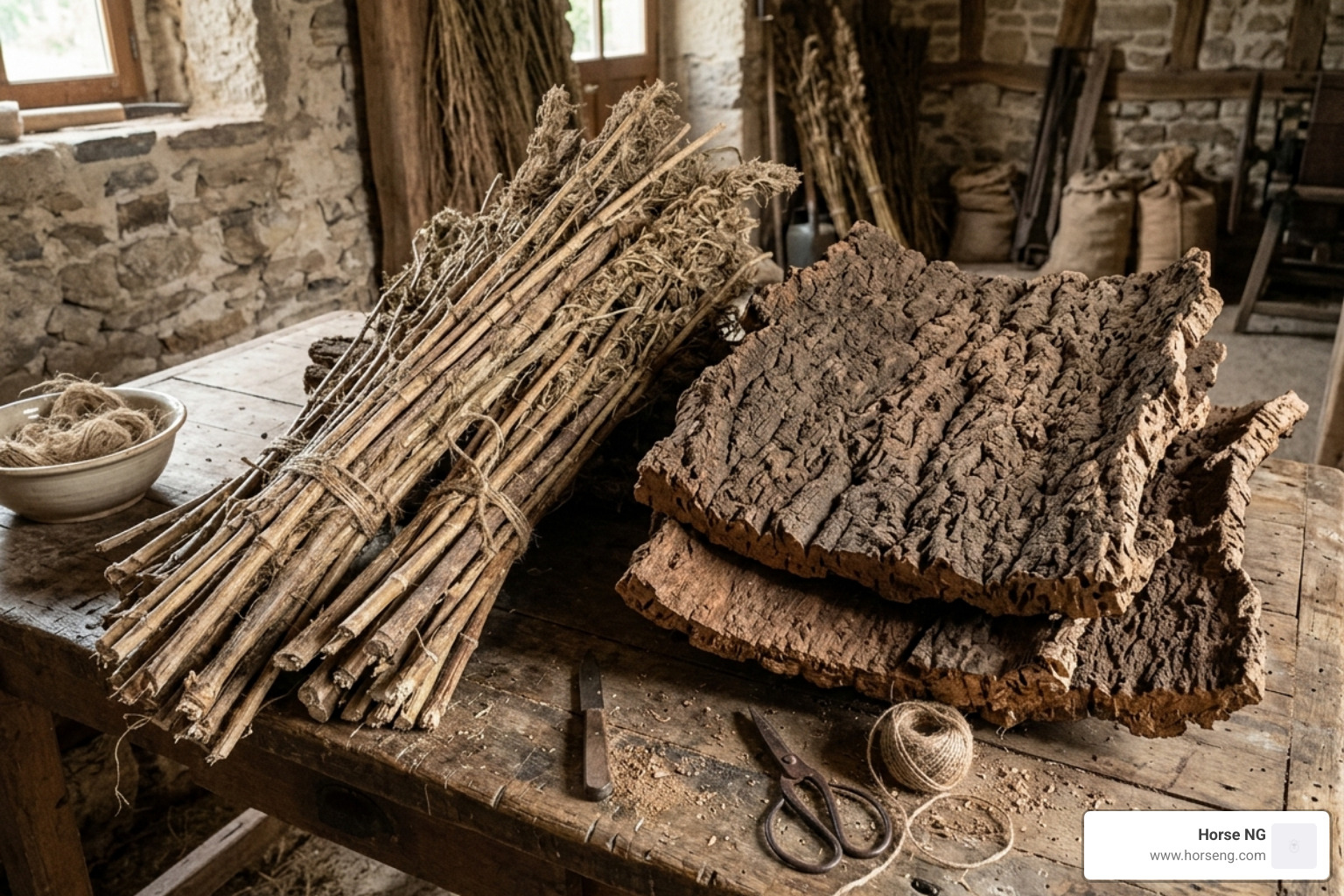
- Organic Cotton & Hemp: Unlike conventional cotton, organic versions avoid harmful pesticides. Hemp is a “hero fiber” for us because it grows incredibly fast, requires little water, and actually leaves the soil more nutrient-rich than it found it.
- Natural Rubber: While 70% of the rubber used today is synthetic (petroleum-based), natural rubber comes from the sap of the Hevea brasiliensis tree. Innovations like PLIANT™ offer the world’s first naturally cured performance rubber outsoles, proving we can have “footwear-worthy” grip without the plastic.
- Cork & Sugarcane: Cork is harvested from the bark of oak trees without harming them, making it a perfectly renewable resource for insoles. Sugarcane EVA is now frequently used for midsoles, replacing traditional foams with a carbon-sequestering plant alternative.
- Bamboo & Wood Pulp: Bamboo can be processed into a durable “leather” or soft fabric. Similarly, FSC-certified wood pulp is used to create breathable linings that are much kinder to the earth than polyester.
The Rise of Plant-Based Eco Friendly Materials for Shoes
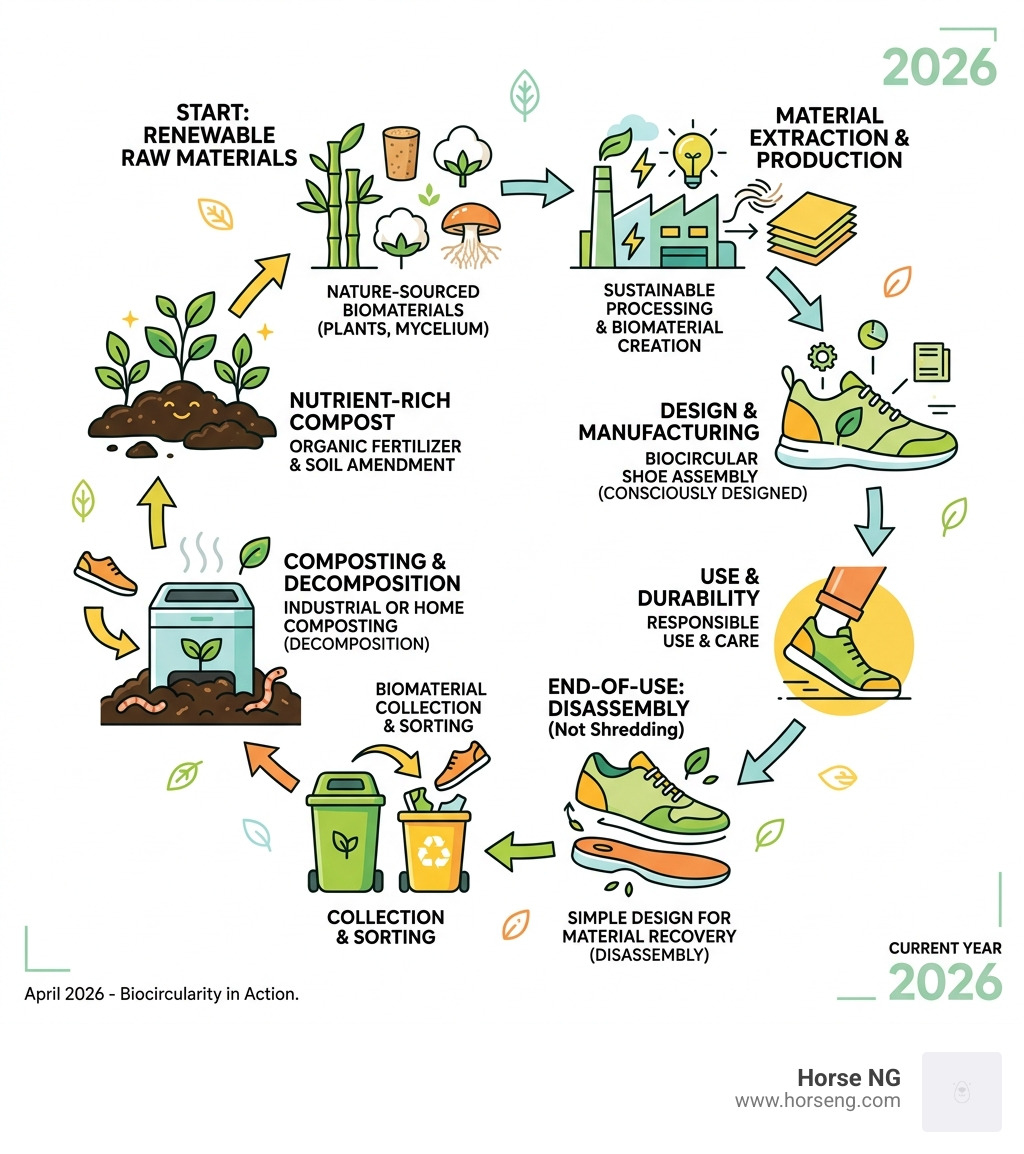
We are particularly excited about “biocircular design”—the idea that a shoe should safely return to the earth. Materials like Tencel Lyocell (made from eucalyptus fibers) use a closed-loop process that recycles 99% of water and solvents. Other innovations include coconut husk fibers for insulation and natural latex for cushioning. These renewable resources support soil health and promote pesticide-free farming, creating a ripple effect of positivity across the agricultural landscape.
Performance Benefits of Natural Fibers
Don’t let the word “natural” fool you into thinking these materials are weak. Plant fibers offer incredible functional advantages:
- Breathability: Hemp and linen allow for superior airflow, keeping feet cool during long days at the barn.
- Moisture-Wicking: Tencel and organic cotton are naturally better at managing sweat than synthetic nylons.
- Antimicrobial Properties: Materials like cork and hemp naturally resist odor-causing bacteria.
- Thermal Regulation: Wool and certain plant fibers provide warmth in the winter and coolness in the summer.
Recycled Materials: Turning Waste into Wearables

The circular economy is all about keeping materials in use for as long as possible. In the footwear world, this means diverting waste from landfills and oceans to create new components.
- Recycled PET & Ocean Plastic: Plastic bottles are shredded and spun into high-quality polyester yarns. This is a staple for woven uppers and durable laces.
- Recycled Polyurethane (PU): Often used in work shoes and sneakers, recycled PU offers incredible durability while saving massive amounts of CO2.
- Post-Consumer Cotton: By sourcing fabric from old clothing, we prevent waste and reduce the need for new, thirsty cotton crops.
- Industrial Scrap: Many factories now recover “post-industrial” waste—scraps left over from the cutting process—and reprocess them into new shoe parts like lasting boards or internal reinforcements.
Innovative Recycled Eco Friendly Materials for Shoes
Technology has allowed us to get creative with what we “upcycle.” We now see recycled rubber outsoles made from old tires and upcycled EVA foam that provides the same “bounce” as new foam but with a fraction of the footprint. Even the small details matter: plastic-free aglets (the tips of laces) and water-based adhesives are replacing toxic, solvent-based glues that release harmful VOCs into the atmosphere.
The Future of Footwear: Innovative Bio-Materials
The most exciting frontier in eco friendly materials for shoes is the laboratory, where scientists are turning food waste and fungi into high-fashion materials.
- Mushroom Leather (Mycelium): Brands are now using materials like HyphaLite™, which blends discarded oyster mushroom powder with cellulose fibers. It’s plastic-free and repurposes agricultural waste.
- Fruit Leathers: Apple peel leather is a brilliant byproduct of the juice industry. Instead of the peels rotting and releasing methane, they are dried and turned into a supple, durable leather alternative. Similarly, Piñatex uses pineapple leaf fibers that would otherwise be burned.
- Algae Foam: Excess algae blooms can choke aquatic ecosystems. Innovators are now harvesting this “nuisance” algae and turning it into high-performance foam for insoles and midsoles. This not only replaces petroleum but also helps clean our waterways.
- Carbon Capture Foam: Some high-performance running shoes are now experimenting with foam derived from captured carbon emissions—literally turning air pollution into footwear.
- Monomaterial Construction: To make recycling easier, the future points toward shoes made from a single material type. This “monomaterial” approach means the shoe doesn’t have to be painstakingly disassembled at the end of its life; it can be processed as one unit.
Frequently Asked Questions about Sustainable Footwear
Are eco-friendly shoes as durable as traditional ones?
Yes! In fact, many sustainable materials are chosen specifically for their longevity. Recycled polyurethane and natural rubber are incredibly tough. Furthermore, the most sustainable shoe is the one you don’t have to replace. Many eco-focused brands prioritize “repairability,” offering resoleable designs so you can keep your favorite boots for a decade rather than a season.
Why are sustainable shoes often more expensive?
The higher price tag usually reflects the true cost of production. This includes ethical labor (ensuring workers are paid a fair living wage), the high R&D costs of developing new materials like mushroom leather, and the fees associated with rigorous third-party certifications. When you buy cheap, traditional shoes, the “savings” are often subsidized by the environment or underpaid workers.
What certifications should I look for in green shoes?
To avoid “greenwashing,” look for these trusted labels:
- GOTS (Global Organic Textile Standard): The gold standard for organic fibers.
- LWG (Leather Working Group): Ensures leather is sourced from tanneries with high environmental standards.
- FSC (Forest Stewardship Council): Guarantees that rubber or wood pulp comes from responsibly managed forests.
- PETA-Approved Vegan: Confirms no animal products were used.
- USDA BioPreferred: Verifies the percentage of bio-based content in the product.
Conclusion
At Horse NG, we believe that our passion for the equestrian lifestyle should go hand-in-hand with our responsibility to the planet. Choosing eco friendly materials for shoes is a powerful way to vote for a cleaner future with every step you take—whether you’re in the stirrup or walking the trails.
The shift toward conscious consumerism and ethical manufacturing is transforming the fashion world. By opting for shoes made from mycelium, recycled plastics, or organic hemp, we aren’t just buying a product; we’re supporting an industry that respects the earth as much as we do.
Ready to dive deeper into sustainable living? Explore more eco-focused resources and join us in our mission to make the equestrian world a leader in environmental excellence.
